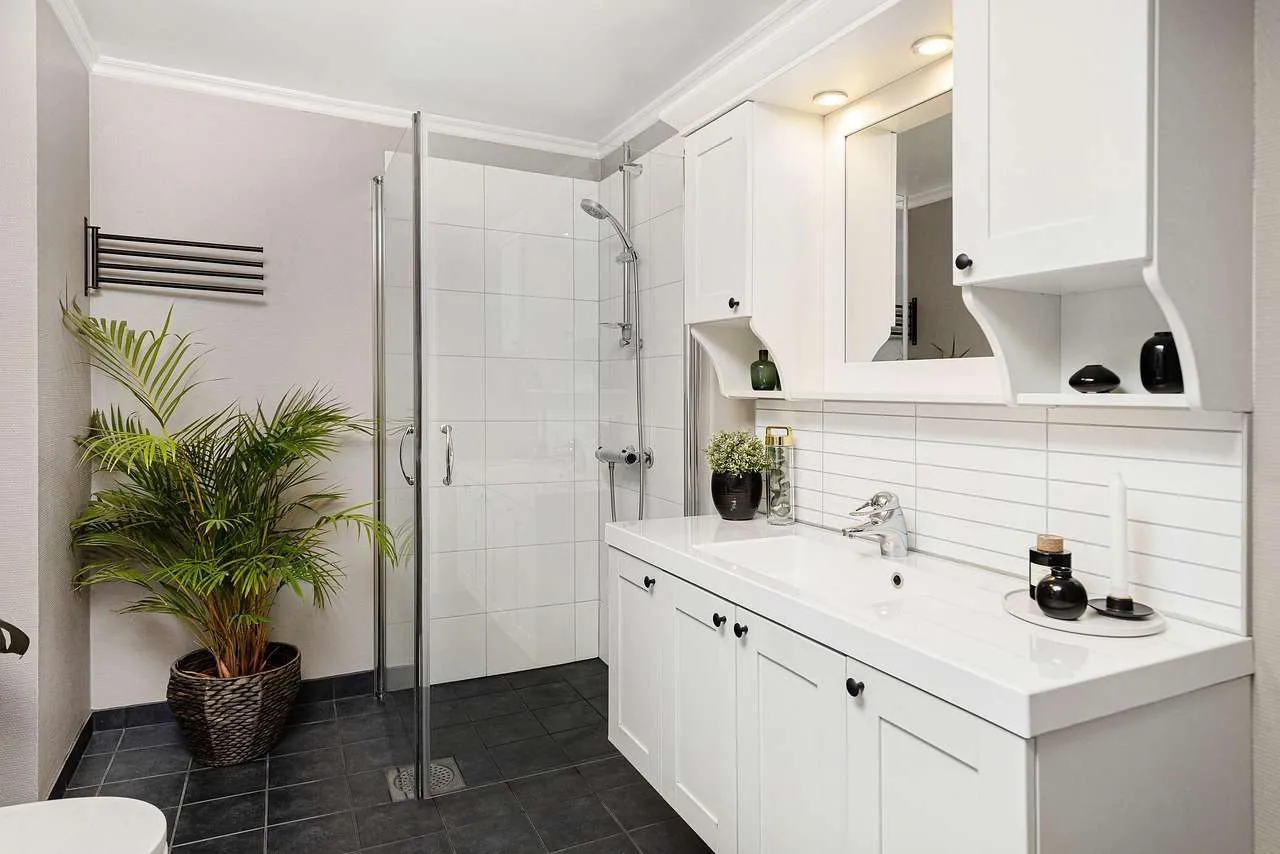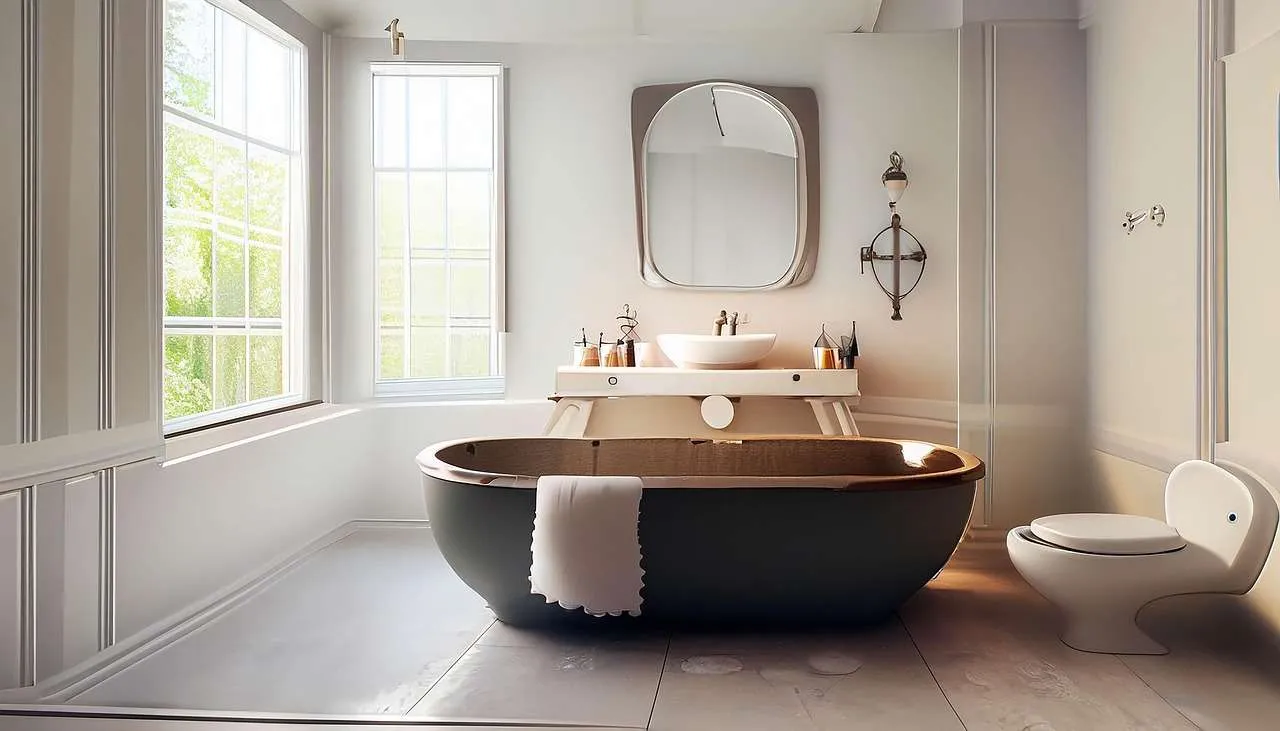
Bathroom decor is more than a pretty surface—it shapes how you feel when you start and end your day. A well-designed bathroom blends moisture-resistant materials, thoughtful storage, and a cohesive color story to create a calm, functional retreat. As an experienced interior strategist, I recommend a staged approach: define the mood, select durable finishes, plan lighting, and map storage early in the process. This ensures your final space feels intentional and timeless, not trendy for a season. Below you'll find practical guidance to achieve stylish bathroom decor that stands up to humidity, daily use, and changing preferences.
Understanding Core Principles for Bathroom Decor
Start with three core principles: cohesion, durability, and flow. Cohesion means choosing a unifying color palette or material family that runs through fixtures, walls, and accessories. Durability focuses on moisture-resistant finishes, sealed surfaces, and easy-to-clean fixtures. Flow refers to arrangement and lighting that keep the space feeling open, even in small baths. By grounding your plan in these concepts, you create a framework that supports both style and longevity.
Color, Texture, and Style
Neutral bases (creams, grays, and whites) provide versatility and resale value, while layered textures add interest. Use a mix of matte and polished surfaces—matte wall paint or ceramic tile for warmth, pairing with a glossy vanity or chrome fixtures to catch light. If you love warmth, consider warm whites paired with natural wood accents; for a cooler, spa-like feel, introduce soft blues, greens, or stone tones. The key is balance: too many competing tones create visual noise, while a curated palette anchors your decor.
Lighting, Mirrors, and Atmosphere
Lighting shapes perception as much as color. Combine ambient, task, and accent lighting to eliminate shadows and highlight focal points. A backlit mirror, recessed fixtures, and a dimmable ceiling light provide flexibility for daily routines and mood setting. Mirror size matters: a large mirror expands perception in small bathrooms, while vanity-height mirrors reflect flattering light for grooming. If possible, include natural light or daylight-simulating bulbs to boost freshness and reduce fatigue during morning routines.
Materials, Finishes, and Durability
Choose moisture-resistant materials designed for bathrooms: ceramic, porcelain, and porcelain-wood-look tiles, quartz or solid-surface countertops, and sealed wood or premium laminates. Avoid hygroscopic woods in direct contact with water and ensure all seams are well sealed. For a spa-inspired retreat, pair matte ceramic with honed stone and brushed metals; for a modern look, stick to glass, chrome or matte black fixtures with clean lines. Always verify warranties and maintenance requirements before purchasing.
Storage Solutions and Layout
Smart storage keeps the space calm. Integrate a vanity with ample drawers, wall niches for toiletries, and tall cabinets to maximize vertical space. Consider recessed shower niches, pull-out organizers, and floating vanities to create visual airiness. Color and hardware coordination—matching pulls to faucet finishes—strengthen the design narrative and reduce visual clutter.
Planning, Budgeting, and Purchasing
Set a realistic budget by prioritizing the three areas that most impact daily use: the vanity, the shower or tub area, and lighting. Get measurements, request swatches, and create a mood board to visualize color and texture. When possible, source durable, easy-to-clean materials and reputable brands with documented warranties. If professional installation is necessary, obtain multiple quotes and verify licenses and insurance.
DIY vs Professional Help
Small updates such as cabinet hardware, towels, and accessories can be DIY-friendly and refresh a space quickly. Major renovations—plumbing, waterproofing, or moving fixtures—benefit from licensed professionals to ensure safety, compliance, and long-term performance. Knowledgeable designers can help translate your mood board into a practical floor plan and select fixtures that balance cost and quality.
Maintenance, Longevity, and Care
Regular cleaning, proper ventilation, and prompt repairs extend the life of bathroom decor. Wipe down surfaces to prevent mineral buildup, reseal grout every one to two years, and inspect caulk around tubs and sinks. Invest in high-quality seals, ventilated cabinetry, and corrosion-resistant hardware to minimize wear and preserve beauty over time.
Comparison of Styles
| Style | Pros | Cons | Best For |
|---|---|---|---|
| Classic | Timeless appeal, durable fixtures, warm finishes | Can feel dated if overused | Traditional homes, resale value |
| Modern | Clean lines, low-maintenance, open feel | Can feel sterile without warmth | Small spaces, contemporary homes |
| Eclectic | Personal, expressive, layered textures | Requires cohesive planning; more maintenance | Creative spaces, larger baths |
Conclusion, this guide frames bathroom decor as a balanced mix of color, materials, lighting, storage, and careful budgeting. By applying core principles, selecting durable finishes, and planning with professionals when needed, you achieve a space that is both beautiful and functional, with lasting value for years to come.